Easter eggs are a big part of Easter Sunday, known for their bright colors, creative designs, and artistic patterns. Today, many people use AI tools to create unique Easter egg images for art, social media, and design projects. However, getting great results depends on writing clear and effective Easter egg design prompts.
That's why this post shares 30+ ready-made AI Easter egg design prompts across different styles and themes. It also explains how to create your own prompts step by step, along with simple tips to help you improve your results and create stunning designs easily.

Table of Contents
Part 1: 30+ Ready-Made AI Easter Egg Design Prompts
Here are 30+ Easter egg design prompts, created to include a broad range of artistic styles, techniques, and creative concepts. These are ready to use in tools like DALL·E, MidJourney, Stable Diffusion, or Gemini:
Traditional & Cultural Styles
Check out classic Easter egg designs inspired by rich cultural traditions from around the world. These Easter egg drawing prompts focus on detailed patterns, meaningful symbols, and authentic artistic styles:
-
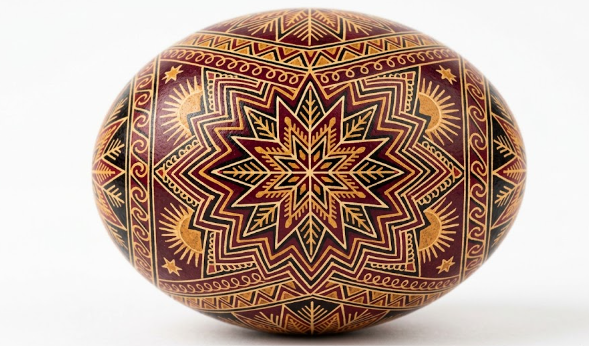
1.Ukrainian Pysanky: A traditional Ukrainian Pysanky Easter egg created using the wax-resist method. Intricate geometric patterns in deep burgundy, golden ochre, and black cover the entire surface. Symmetrical folk motifs, including sunbursts, stars, and endless lines. Authentic cultural art piece, natural eggshell texture, isolated on white background, detailed linework.
-
2.Russian Fabergé: A luxurious Fabergé-style Easter egg crafted from white enamel with gold filigree scrollwork. Adorned with tiny rose-cut diamonds, ruby accents, and a hinged surprise compartment. Opulent, ornate, museum-quality craftsmanship, dark velvet background, dramatic museum lighting, hyper-realistic.
-
3.Polish Pisanki: A Polish Pisanka Easter egg with intricate linear patterns scratched into a deep crimson-dyed surface. Traditional regional motifs, including roosters, flowers, and geometric shapes. Visible scratch technique revealing natural shell underneath. Folk art style, rustic presentation, natural lighting.
-
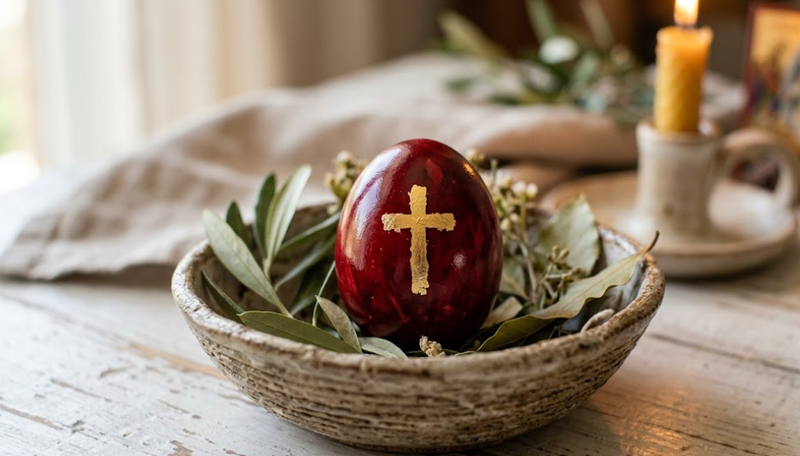
4.Greek Red Egg: A traditional Greek Easter egg dyed deep crimson red, symbolizing the blood of Christ. Glossy finish with subtle natural variations in the dye saturation. A single gold leaf cross is delicately applied to the center. Simple, meaningful, orthodox tradition, soft natural light, shallow depth of field.
-
5.Pennsylvania Dutch: A Pennsylvania Dutch-style Easter egg with folk art motifs. Bright, cheerful designs featuring hex signs, tulips, and distlefinks in primary colors of red, blue, and yellow against a cream background. Naive folk art style, hand-painted appearance, rustic wooden table setting.


Nature & Botanical
Find out Easter egg designs inspired by nature and the beauty of the outdoors. The prompts below highlight organic textures, floral details, and natural elements for a fresh and creative look:
-
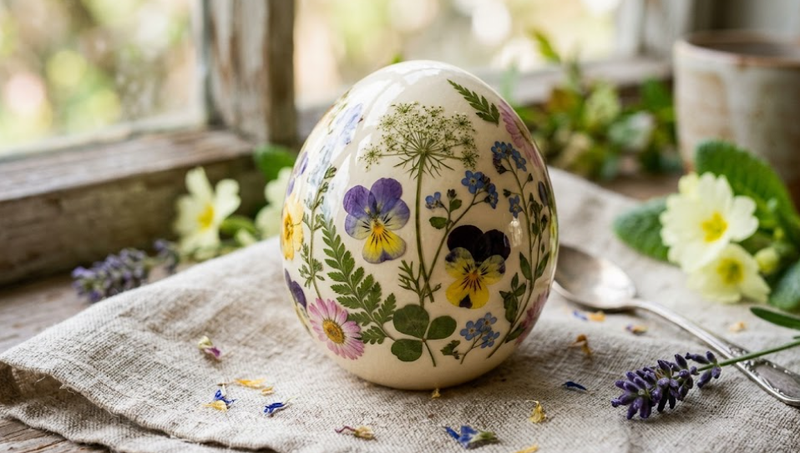
1.Pressed Flowers: A delicate Easter egg decorated with pressed spring flowers sealed under a thin layer of clear resin. Tiny violets, pansies, and ferns preserved in perfect detail against a soft cream shell. Natural, ethereal, vintage herbarium aesthetic, macro photography, soft window light.
-
2.Botanical Illustration: An Easter egg featuring detailed 19th-century botanical illustrations of cherry blossoms and lily of the valley. Fine black ink linework with soft watercolor washes in blush pink and sage green. Vintage paper texture effect, scientific illustration style, isolated on antique parchment background.
-
3.Butterfly Wings: An Easter egg covered entirely in the iridescent scales of morpho butterflies. The surface shimmers with structural colors shifting from electric blue to emerald green to deep violet. Macro detail revealing individual scales, a bokeh background, and magical iridescence.
-
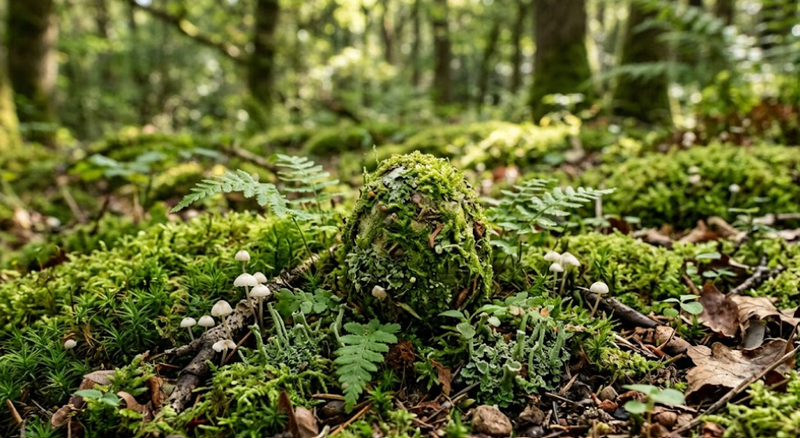
4.Mossy Forest Floor: An Easter egg camouflaged as part of a mossy forest floor. The surface features velvety green moss, tiny ferns, miniature white mushrooms, and delicate lichen. Realistic organic textures, macro photography, dappled forest lighting, and woodland aesthetics.
-
5.Seashell Pearl: An Easter egg that mimics a luminous nautilus seashell. Swirling pearlescent bands in cream, blush, and champagne with a glossy, iridescent finish. A natural spiral pattern reminiscent of ocean treasures, soft diffused lighting, and a coastal aesthetic.
-
6.Hummingbird Nest: A tiny hummingbird nest woven from soft moss, lichen, and spider silk cradling two miniature speckled eggs. Delicate construction, natural materials, macro nature photography, soft bokeh background, and serene woodland atmosphere.
-
7.Succulent Garden: An Easter egg transformed into a living succulent garden. The shell is partially covered with soil and planted with miniature echeveria, string of pearls, and tiny sedum. Natural textures, top-down flat lay, bright indirect light, and botanical photography.


Fantasy & Mythical
Enter the world of fantasy and magic with Easter egg designs that spark imagination. The following prompts feature mythical creatures, magical effects, and otherworldly textures for truly enchanting creations:
-
1.Dragon Scale Egg: A massive fantasy Easter egg covered in overlapping iridescent dragon scales. Deep emerald green base with gold and purple undertones. Scales catch light like precious gems. Resting in a nest of glowing embers and ash, cinematic fantasy art, dramatic rim lighting.
-
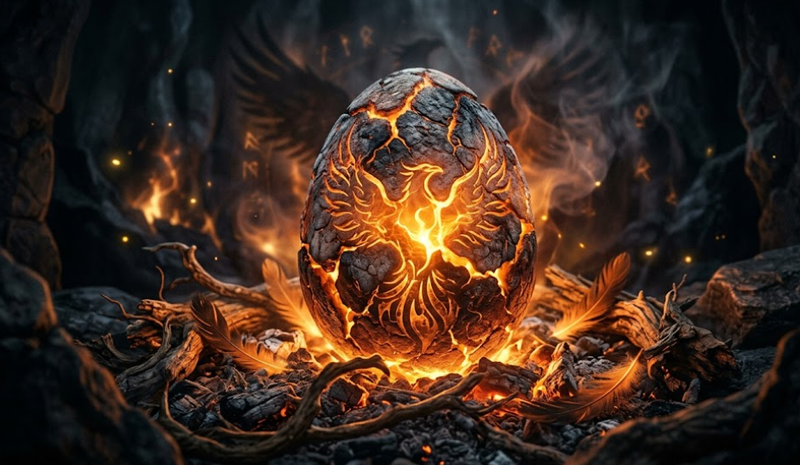
2.Phoenix Easter Egg: A legendary phoenix Easter egg glowing from within with warm orange and golden light. The surface appears to be made of cooled embers with visible cracks revealing molten fire inside. Mythical, radiant, dark fantasy background, dramatic lighting, ethereal glow.
-
3.Fairy Door Egg: A magical Easter egg that serves as a tiny fairy dwelling. A miniature arched wooden door with a brass handle is set into the shell, with warm golden light emanating from a tiny window above. Moss and miniature flowers grow on the surface. Whimsical, macro detail, and enchanted forest settings.
-
4.Unicorn Pearl: A mystical Easter egg with a pearlescent white surface that shimmers with rainbow iridescence. Delicate golden spiral patterns and tiny star-like sparkles adorn the shell. A subtle silhouette of a galloping unicorn appears within the sheen. Magical, and ethereal with soft, dreamy lighting.
-
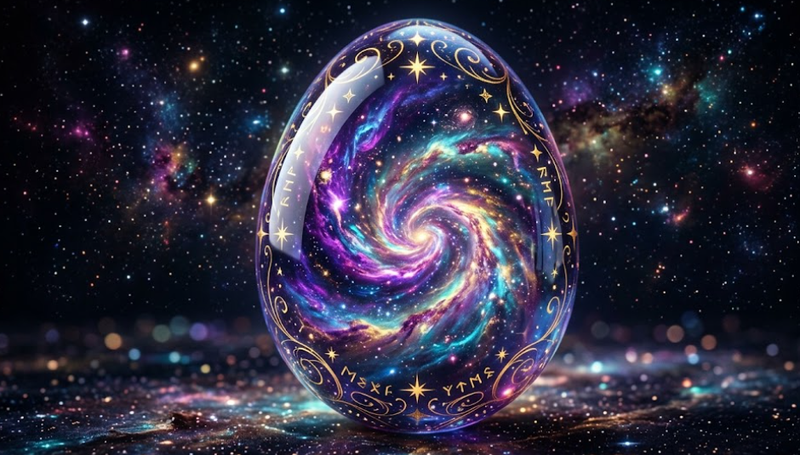
5.Galaxy Nebula: An Easter egg that contains an entire galaxy within its surface. Swirling nebulae of deep purple, electric blue, magenta, and gold with countless tiny stars. Cosmic, infinite depth effect, glossy finish, dark space background, sci-fi aesthetic.
-
6.Crystalline Geode: An Easter egg split in half to reveal a stunning crystalline geode interior. The exterior is matte grey stone, while the interior bursts with amethyst and clear quartz crystals growing inward. Realistic mineral textures, macro detail, and a dramatic cross-section view.
-
7.Ice Dragon Egg: A frozen Easter egg carved from crystalline ice with intricate frost patterns across its surface. Pale blue and silver tones with internal fractures catching light like diamonds. Resting on a bed of snow, cold winter atmosphere, magical realism.


Artistic & Decorative
These Easter egg prompts focus on artistic styles and decorative techniques, from classic art movements to modern patterns:
-
1.Art Nouveau: An Easter egg in the style of Alphonse Mucha. Features a graceful female figure with flowing hair integrated into the design, surrounded by stylized lilies and organic, sinuous lines. Soft muted palette of peach, sage green, and gold. Elegant decorative art, vintage aesthetic.
-
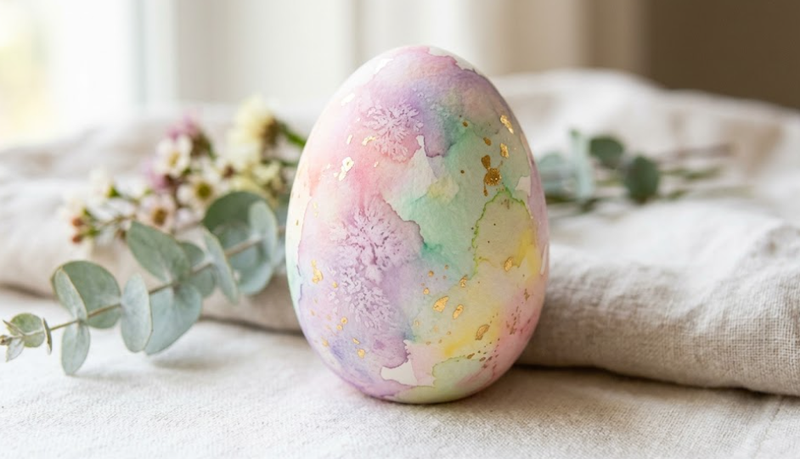
2.Watercolor Wash: An Easter egg painted with a loose watercolor technique. Soft bleeding washes of pastel pink, lavender, mint green, and butter yellow blend and flow into one another. Delicate salt texture effects and subtle gold leaf splatters. Artistic, and impressionistic with soft, natural lighting.
-
3.Geometric Bauhaus: A minimalist Easter egg inspired by Bauhaus design. Bold geometric shapes, like circles, triangles, and rectangles, in primary colors of red, blue, and yellow against clean white. Sharp lines, modern composition, matte finish, isolated on a neutral background.
-
4.Marbled Endpaper: An Easter egg decorated like vintage marbled endpaper from antique books. Swirling patterns in deep blue, burgundy, gold, and cream with a traditional combed marble technique. Elegant, scholarly aesthetic, antique book setting, warm lighting.
-
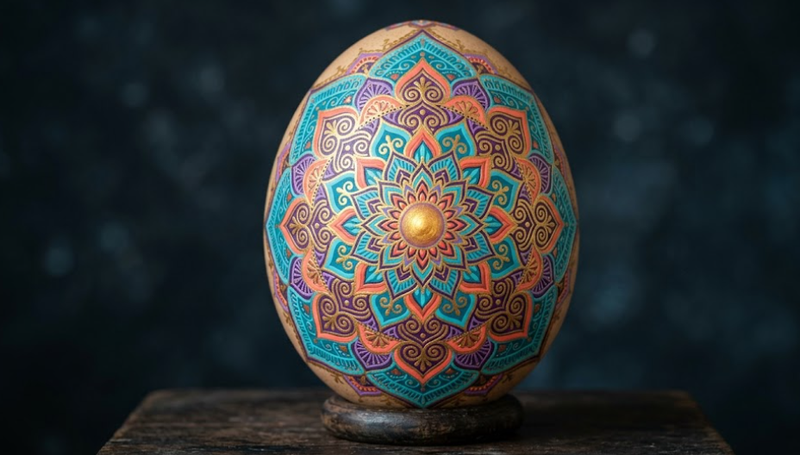
5.Mandala Pattern: An Easter egg covered in an intricate mandala design. Symmetrical patterns radiate from the center in vibrant turquoise, coral, gold, and purple. Meditative, detailed linework, bohemian aesthetic, isolated on a dark background, balanced composition.
-
6.Stained Glass: An Easter egg designed like a miniature stained glass window. Leading lines divide sections of translucent colored glass in ruby red, sapphire blue, emerald green, and amber. Light appears to glow through from within. Gothic architectural style, dramatic backlight.
-
7.Art Deco: An Easter egg in Art Deco style featuring bold geometric patterns, sunburst motifs, and stepped designs. Metallic gold, black, and cream color palette with sharp, elegant lines. 1920s glamour aesthetic, luxurious presentation, dramatic studio lighting.
-
8.Pointillism: An Easter egg created entirely with the pointillism technique. Thousands of tiny dots in pure colors blend optically to form a spring landscape with flowers and butterflies. Georges Seurat-inspired style, vibrant, textured appearance, macro detail.


Modern & Minimalist
The following prompts outline modern and minimalist Easter egg styles, focusing on clean lines, sleek finishes, and contemporary textures:
-
1.Liquid Chrome: A hyper-realistic Easter egg with a flawless liquid chrome finish. The mirror-like surface perfectly reflects its surroundings with subtle distortion. Flawless, futuristic, isolated on a gradient background, product photography lighting, and ultra-detailed reflections.
-
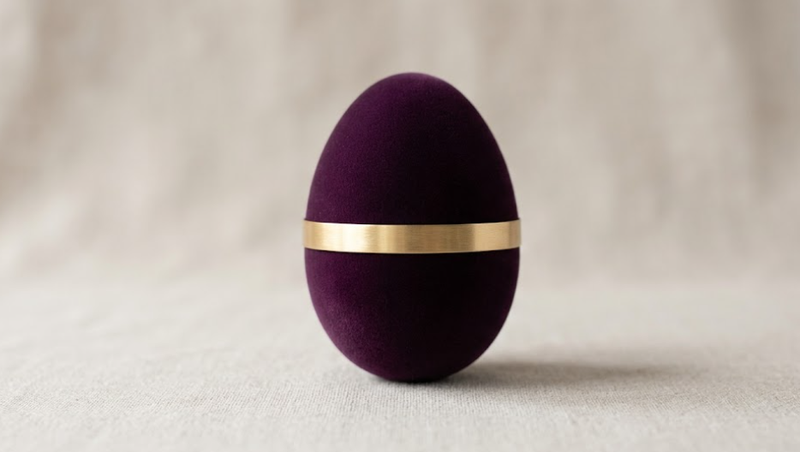
2.Velvet Matte with Gold Band: A modern minimalist Easter egg in deep aubergine velvet matte finish. A single sleek band of brushed gold encircles the center. Luxurious, simple, sophisticated, isolated on a neutral background, soft studio lighting.
-
3.Terrazzo Pattern: An Easter egg with a modern terrazzo pattern. Matte white base with scattered chips of pastel pink, blue, yellow, and grey embedded throughout. Contemporary interior design aesthetic, clean, fresh, with bright natural lighting.
-
4.Monochrome Ombré: A sleek Easter egg with a smooth ombré gradient transitioning from charcoal grey at the base to pure white at the tip. Matte finish, minimalist, elegant, isolated on a matching gradient background, soft diffused lighting.
-
5.Holographic Shatter: An Easter egg with a holographic shattered glass effect. The surface appears covered in faceted iridescent pieces reflecting rainbow light in every direction. Futuristic, prismatic, vibrant, isolated on a white background, with colorful reflections.


Whimsical & Playful
The prompts below feature cute details, edible treats, and storybook-inspired scenes for a whimsical and charming look:
-
1.Bunny Ears Egg: A charming Easter egg with a fuzzy texture and two adorable, floppy bunny ears emerging from the top. Soft cream color with pink inner ears. Whimsical, cute, kawaii aesthetic, pastel background, playful lighting.
-
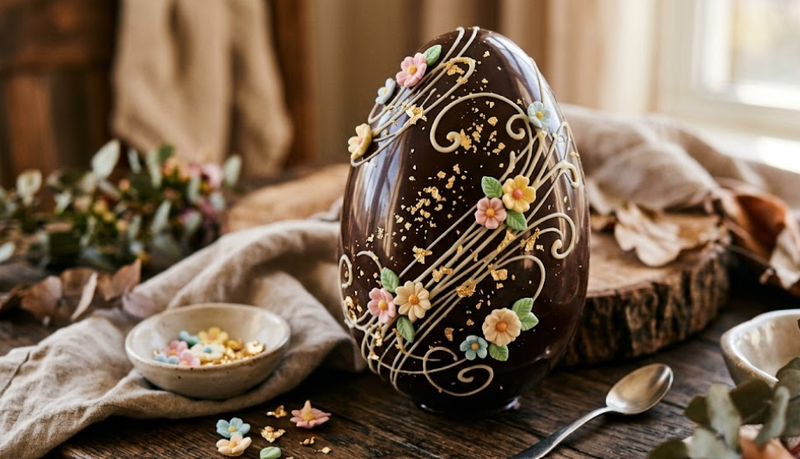
2.Chocolate Drizzle: A realistic chocolate Easter egg with a glossy dark chocolate shell and elegant white chocolate drizzle pattern. Sprinkled with edible gold flakes and tiny candy flowers. Gourmet food photography, delicious, warm lighting, and macro detail.
-
3.Storybook Scene: An Easter egg that illustrates a miniature storybook scene. A tiny Peter Rabbit character hiding among hand-painted cabbages and carrots in a garden setting. Whimsical children's book illustration style, soft watercolor aesthetic, charming, nostalgic.

Part 2: How to Generate Easter Egg AI Prompts?
You can also create your own AI Easter egg prompts. The steps beneath show how to pick a tool, choose your egg type, add patterns, colors, and settings, and refine prompts for the best results:
Step 1: Pick an AI Image Tool
Pick a tool like ChatGPT (DALL·E), Gemini, Midjourney, or Stable Diffusion. Each creates textures and lighting differently, so try a few to see what you like best.
Step 2: Choose the Subject (Be Clear)
Decide what kind of egg you want:
-
Single egg (for detailed close-ups).
-
Multiple eggs (for color combinations).
-
Fabergé-style egg (luxury look).
-
Rustic farm egg (natural feel).
-
Giant fantasy egg (creative concepts).
Add details like:
-
Texture: matte, glossy, metallic, wooden, etc.
-
Size: small (quail), normal, oversized.
-
Condition: whole, cracked, sliced.
-
Material: ceramic, glass, gemstone, chocolate.
Step 3: Add Pattern & Colors (Most Important)
Be specific about design and colors, such as patterns, colors, and application styles.
Patterns:
-
Traditional (Pysanky, folk patterns).
-
Floral (flowers, botanical).
-
Geometric (stripes, mandalas, Art Deco).
-
Artistic (abstract, watercolor).
-
Whimsical (dots, doodles, cartoon).
-
Luxury (gold, jewels, damask).
-
Natural (marble, wood grain, stone).
Color palettes:
-
Pastel (pink, lavender, mint, yellow, blue).
-
Jewel tones (emerald, sapphire, ruby, amethyst).
-
Earthy (terracotta, sage, cream, rust).
-
Monochrome (one color + metallic).
-
Vibrant (bright bold colors).
Application styles:
- Hand-painted, splattered, wax-resist, airbrushed, decoupage, dipped, etc.
Step 4: Set Scene, Lighting & Mood (Optional)
Add environment and feeling, like setting the scene, lighting, and mood.
Scenes:
-
Natural (grass, flowers).
-
Indoor (table, bowl, velvet).
-
Fantasy (floating, magical).
-
Minimalist (plain background).
-
Celebratory (Easter decor).
Lighting:
-
Bright sunlight, golden hour, studio light, window light, backlit,
candlelight, etc.
Mood: - Joyful, elegant, magical, luxurious, rustic.
Step 5: Adjust Settings
Fine-tune the output by adjusting settings, such as:
-
Style: photorealistic, watercolor, 3D, etc.
-
Resolution: 4K, 8K, HD.
-
Depth: shallow (focus) or deep.
-
Perspective: close-up, overhead, angled.
-
Colors: vibrant, muted, pastel.
-
Extras: glow, bokeh, film grain.
Step 6: Generate & Improve
Make multiple versions of one prompt, and refine them:
-
More detail: add "intricate," "macro," "ultra-detailed."
-
Better colors: add "vibrant," "high contrast"; remove "muted."
-
Cleaner background: add "neutral background," "shallow depth."
-
More realism: add "photorealistic," "natural lighting," "8K."
-
Better composition: add "dynamic angle," "dramatic perspective."
Part 3: Tips to Generate Stunning AI Prompts for Easter Egg Design
With the basics of prompt creation covered, these tips will help you make your Easter egg designs truly prominent. The following section shares practical advice on wording, perspective, colors, and creative ideas to generate stunning AI prompts:
-
Be Specific: Avoid vague prompts. Clear details turn a basic idea into a standout image.
-
Follow a Prompt Formula: Subject + Style + Pattern + Colors + Texture + Setting + Lighting + Mood + Perspective + Quality
-
Use Strong Words: Replace simple words with vivid ones like "ornate," "vibrant," "iridescent," and "luxurious."
-
Set Perspective: Choose the view: macro close-up, flat lay, eye-level, or angled shot.
-
Use Negative Prompts: Tell the AI what to avoid (e.g., blurry, text, watermark, low quality).
-
Be Precise with Colors: Use exact shades and relationships (e.g., "emerald with teal undertones," "lavender to blush gradient").
-
Mix Creative Ideas: Combine unexpected concepts (e.g., kintsugi egg, cyberpunk floral egg) for unique results.
-
Adjust for Platform: Each AI tool functions differently, so use natural language for DALL·E, keywords for Midjourney, and structured prompts for Stable Diffusion.
-
Use Key Settings: Set aspect ratio (1:1, 3:4), resolution (4K, 8K), and style (photorealistic, watercolor, etc.).
Part 4: Use an AI Image Describer to Generate Reference Prompts
You can actually write good AI prompts for Easter eggs with the aid of Tenorshae PixPretty AI Image Describer. It allows you to upload reference images of Easter egg designs, and will generate detailed descriptions outlining details like lighting, colors, style, and background.
Then, you can use these details to build your own AI prompts for different Easter egg designs. PixPretty also offers templates to generate prompts for different AI tools like ChatGPT, NanoBanana, and others. Here are PixPretty's main features:
-
Upload an image to get useful keywords for AI prompts.
-
Detects objects, text, style, environment, and composition.
-
Generates short, detailed, or focused descriptions.
-
Offers ready-made templates for quick, high-quality prompts.
-
Works with many image types (products, art, social media, portraits, nature, etc.).
-
Supports multiple languages for global users.
-
Processes everything locally (no cloud storage or saved data).
Here's how to use PixPretty AI Image Describer to describe an Easter egg image:
Step 1: Visit "PixPretty Image Describer." Then, upload the Easter egg image whose description you want.

Step 2: Employ a template for an AI tool like ChatGPT, or simply type out the details to describe the image. You can use this prompt formula: "Subject + Style + Pattern + Colors + Texture + Setting + Lighting + Mood + Perspective + Quality" in the description box.

Step 3: Hit "Describe Image." PixPretty will generate a detailed description for the image. You can input it into the image generator to create a stunning Easter egg drawing.

FAQs about Easter Egg Design Prompts
What is the most important element to include in an Easter egg AI prompt?
Be specific about the pattern and surface details. Instead of saying "decorated egg," describe the exact style, like "gold filigree," "soft watercolor flowers," or "geometric patterns." Clear details help the AI give better results.
Which AI tool functions best for generating Easter egg designs?
Each tool has its strengths. DALL·E is great for fine details and styles, and Midjourney makes beautiful, dreamy images with rich colors. Whereas Stable Diffusion gives more control for advanced users. But for most people, DALL·E is the easiest and most balanced choice.
How do I get photorealistic results instead of cartoonish ones?
Use words like "photorealistic," "macro," or "8k," and mention lighting like "studio light" or "soft window light." Also, add details about the surface, such as "real texture" or "glossy finish," to make it look more realistic.
Final Word
Creating beautiful Easter egg AI images comes down to using clear details, strong descriptions, and a structured Easter egg design prompt formula. By choosing the right subject, adding specific patterns, colors, and lighting, and refining your prompts step by step, you can turn simple ideas into stunning designs. If you need extra help, Tenorshae PixPretty AI Image Describer is a great tool. It lets you upload images and quickly get detailed descriptions you can reuse as prompts.
PixPretty – Changeur de vêtements IA
- Changez instantanément les tenues avec l'IA en 1 clic
- Aperçus réalistes de chaque haut, bas ou robe grâce à l'IA
- Créez et explorez des tenues et OOTD infinies sans retouche
Articles Connexes: