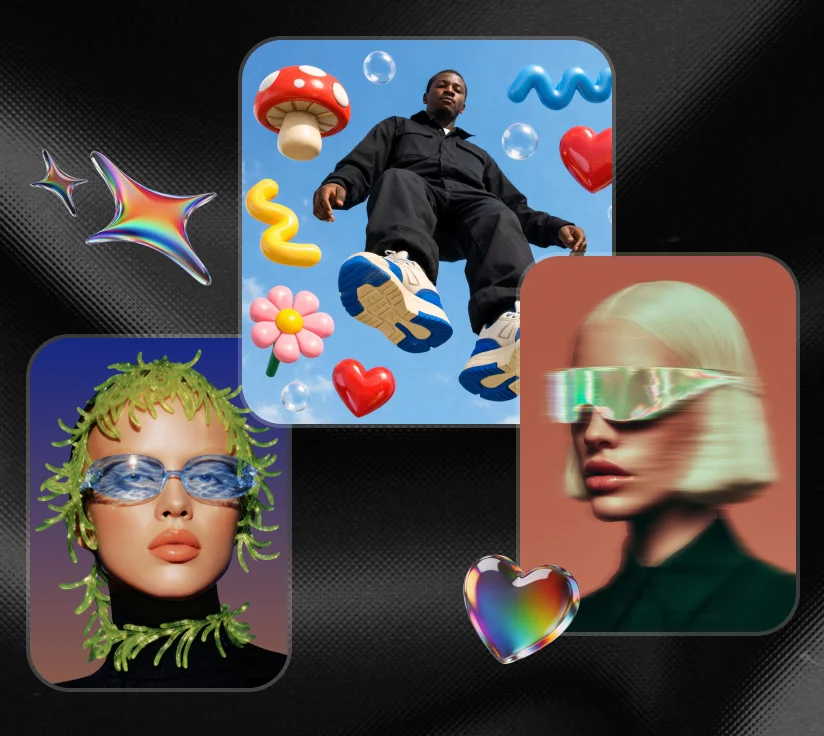
If you’ve been dabbling in AI image tools lately, you’ve probably caught wind of the buzzword: “Nano Banana”. A fun, quirky name — but make no mistake, underneath is a serious image‑generation powerhouse, largely tied to Google / DeepMind’s Gemini stack.
Now comes the big moment: Nano Banana Pro, also known as Nano Banana 2, is here (or at least rolling out), and it’s a serious upgrade. So here’s a lively breakdown to help you decide: stick with V1 or take the leap to Pro?
Table of Contents
- Part 1. What made Nano Banana 1 a hit
- Part 2. What’s new in Nano Banana Pro (Nano Banana 2) — the upgrade you feel
- Part 3. Nano Banana 1 vs Nano Banana Pro (Nano Banana 2) — Quick compare
- Part 4. So… should you upgrade to Nano Banana Pro (Nano Banana 2)?
- Extra Tip: Bring Your Nano Banana Creations to Life with Pixpretty
- FAQ — Your Top Questions Answered
Part 1. What made Nano Banana 1 a hit
Think of v1 of Nano Banana as your creative launchpad. It turned selfies, pets, or random photos into share-worthy visuals right out of the gate. Some highlights:
- You upload or pick a photo, type something like “Make me at sunset with neon lights and a 90s vibe” — and boom, you get something fresh. No crazy masks or manual edits needed.
- It was especially good at keeping the subject recognizable: change the background, tweak outfit, but the person still looks like them.
- Perfect for fun: influencer posts, memes, social-experiment visuals. You didn’t need a studio or pro gear.

But — and you knew this was coming — there were limits:
- Some “small stuff” like tiny text, weird reflections, or complex scene edits could trip it up.
- If you were going pro (high-res print, detailed product visuals), you might hit the ceiling.
- For lots of fun casual stuff, though? V1 totally held its own.
Part 2. What’s new in Nano Banana Pro (Nano Banana 2) — the upgrade you feel
This is where things get really juicy. Nano Banana Pro (aka Nano Banana 2) isn’t just a shiny new skin — it brings real, tangible improvements that many users are already feeling. Below are the biggest upgrades, based on official sources and user feedback.

1. True High-Res Power: 2K + 4K
Under the hood, Nano Banana Pro is powered by Google Gemini 3 Pro, and it supports 2K native images, with a one-click upscale to 4K.
According to Google’s Gemini API docs, you explicitly can set image_size = "2K" or "4K". Some Reddit users confirm this in practice: they see 2K output after download even if previews look lower-res.
2. Lightning-Fast Generation
Official Nano Banana Pro site claims 8–10 seconds per image. That’s a serious speed-up compared to many competitors, making iteration and experimentation much smoother.
3. Strong Character Consistency
Pro supports unbreakable character consistency: upload a reference photo, and it locks in face, hair, body, clothing across generations. Google says it's “3× better than V1.” Another source claims up to 95%+ consistency for characters across scenes.
This is a big deal for creators doing storyboards, comics, or any multi-image project where the subject must stay recognizable.
4. Multi-Image Fusion / Blending
Nano Banana Pro lets you blend multiple reference images (up to ~13 in some sources) to create coherent compositions. It automatically harmonizes style, lighting, and perspective — super useful for complex scenes where you mix product pics, background, and character.
According to community feedback, it supports blending many elements (people, objects) more reliably than V1.
5. Conversational (Iterative) Editing
One of the coolest parts: you can talk to the editor. Instead of re‑prompting from scratch each time, you give natural-language commands like “make the sky bluer,” “add warm lighting,” or “crop tighter” — and it refines while preserving prior edits.
This mimics how a real designer works, making the workflow more intuitive and efficient.
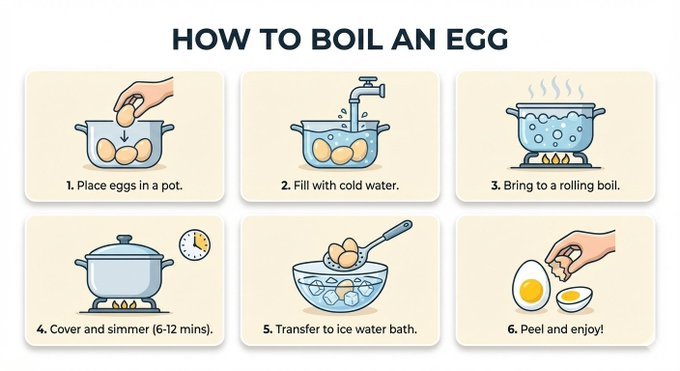
"How to boil an egg - Generated by Nano Banana Pro"
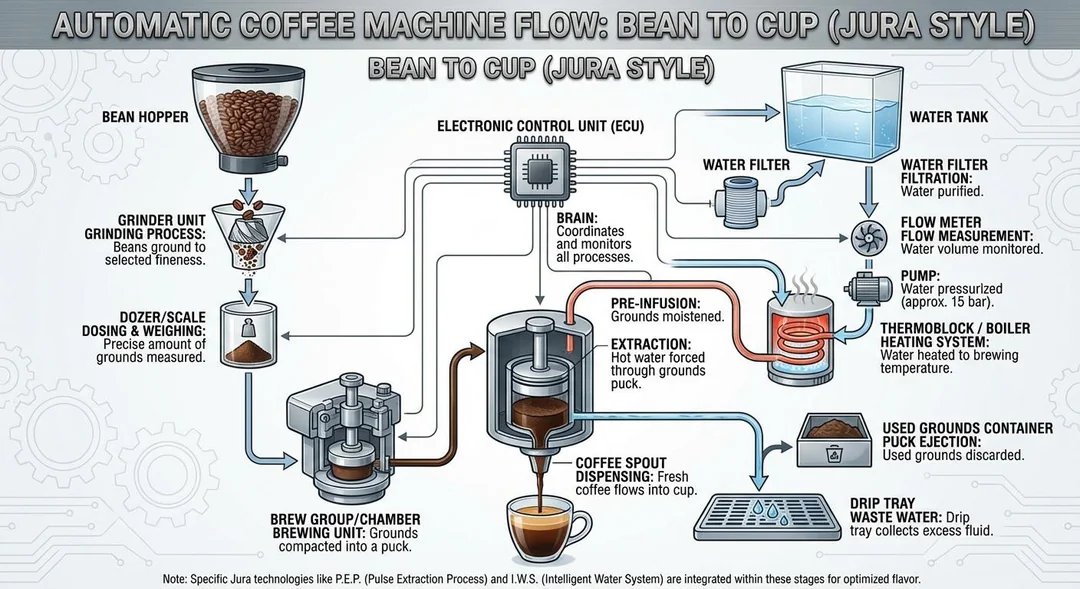
"Automatic coffee machine flow - Generated by Nano Banana Pro"
6. Better Text Rendering
One of the biggest pain points for image-AI has always been “bad text in images.” Pro significantly improves text quality: legible, clean, even in multilingual contexts. According to Nano Banana Pro’s own site, it supports dozens of styles, fonts, and delivers “perfect hands & text guaranteed.”
This makes it extremely useful for infographics, posters, mockups — anywhere typography matters.
7. Studio-Level Controls
Nano Banana Pro offers more “professional photo‑studio” level control: local editing (adjust parts of the image), change camera angles, tweak lighting, apply color grading, and even depth-of-field / bokeh effects.
These tools give creators far more power to refine and stylize images exactly how they want them.
8. Real-World Knowledge
Because it's built on Gemini 3 Pro, Pro can leverage «world knowledge» to generate visuals that are factually aware.
Want to generate a chart, an infographic with real-world data, or a scene anchored in real locations / architecture? Pro is much better suited.
9. Access & Watermark / Trust
The Gemini app supports Nano Banana Pro via “Create image → Thinking” mode, according to user reports. According to The Verge, there’s C2PA-style metadata (or similar tracking) to help identify AI-generated images.
On the Nano Banana Pro site, they mention SynthID watermarking, which helps establish provenance / traceability.
10. Quotas, Cost & Access
Nano Banana 2 is not entirely free in all contexts: while Gemini’s app gives some free generations, higher-res (2K / 4K) or API usage typically costs.
Some Reddit users report that Gemini Pro users get up to ~100 Nano Banana Pro images/day. On a Plus plan, users say they hit a daily “~35 images” cap for Pro mode in the Gemini web app.
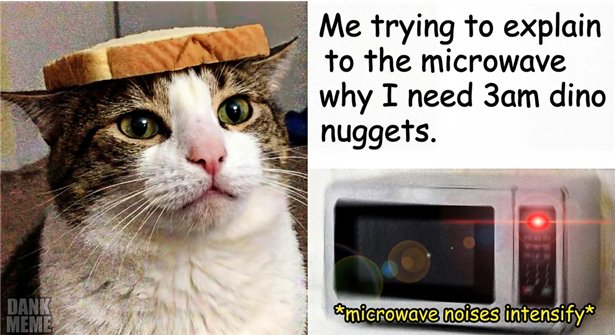
"Funny Memes - Generated by Nano Banana Pro"
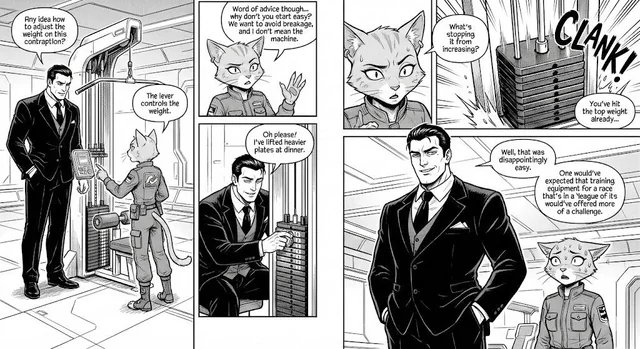
"Comics - Generated by Nano Banana Pro"
Part 3. Nano Banana 1 vs Nano Banana Pro (Nano Banana 2) — Quick compare
| Feature | Nano Banana 1 | Nano Banana Pro (Nano Banana 2) |
| Ease of use | Ease of Use Very friendly, casual | Still user-friendly + more pro controls |
| Output Quality / Resolution | Good for social, web | High-res: 2K native, 4K upscale |
| Prompt fidelity | Good for many prompts, but misses detail | More accurate for complex / context-rich prompts |
| Character Consistency | Decent, but limited | Much stronger — lock in faces / clothes / look |
| Text in Images | Weak spots: blur, weird letters | Crisp, multilingual, clean text rendering |
| Creative Control | Basic style / background | Studio-level: lighting, camera, bokeh, local edits |
| Use Cases | Social, fun, creative experiments | Branding, product visuals, infographics, print |
| Cost / Limits | Lower / more accessible | Higher usage cost, Pro quota, API costs |
Part 4. So… should you upgrade to Nano Banana Pro (Nano Banana 2)?
Here’s how to think through whether the upgrade is worth it for you:
Stick with Nano Banana 1 if…
- You’re making visuals primarily for social media, personal experiments, or casual content.
- You don’t need ultra-high resolution or perfect fidelity in text / detail.
- You want to keep things simple, fast, and low-cost.

Go for Nano Banana Pro (Nano Banana 2) if…
- You’re building a brand, creating for business, or making product visuals.
- You care deeply about detail: fine textures, readable text, consistent characters.
- You iterate a lot — Pro’s speed + conversational editing will save you hours.
- You want to generate infographics, diagrams, or context-rich scenes grounded in real-world knowledge.
My takeaway?
If you're a casual creator or just playing around, Nano Banana 1 still rules. But if you find yourself bumping into its limits — or you’re using AI-generated visuals in a serious way — Nano Banana Pro is a meaningful upgrade. It’s not just more powerful, it's smarter and more precise.
Extra Tip: Bring Your Nano Banana Creations to Life with Pixpretty
If you’re loving Nano Banana Pro (Nano Banana 2) for its sharp details, multi-turn editing, and high-res outputs, why not take your creations a step further? Pixpretty’s AI Action Figure Generator lets you turn your portraits or other photos into customized 3D action figures — perfect for social sharing, avatars, or collectible-style graphics.
For creators experimenting with Nano Banana Pro (Nano Banana 2), Pixpretty is a perfect extension to turn digital portraits into playful, collectible 3D figures, combining professional AI output with social media-ready fun.
Start Editing for FreeFAQ — Your Top Questions Answered
Q1. How can I test if Nano Banana Pro is “worth it” for me?
Try creating the same scene / subject in both V1 and Pro (if you have access). Compare: is the subject more consistent? Are the details (text, lighting, texture) noticeably better? Do you need those improvements for your use case?
Q2. What kind of scenarios benefit most from Nano Banana Pro?
Think: product mockups, brand campaigns, repeated character visuals, infographics, print design, multi-step creative edits.
Q3. Will Nano Banana Pro cost me a lot more (in time or money)?
Probably yes — for higher-res generations, API use, or frequent iterations, the cost goes up. But if your output quality / consistency matters, the ROI can be very good.
Q4. If Nano Banana Pro is new, how do I get access?
In the Gemini app: select “Create image” → “Thinking” and check for Pro.
Via Google AI Studio or API (for heavier or commercial usage), but be mindful: paid API key might be required.
Watch for your subscription tier’s quotas (some users report daily generation limits).
Conclusion
Nano Banana 1 is your playful, lightning‑fast friend — perfect for creativity, social media, and experimentation.
Nano Banana Pro / 2, on the other hand, is your serious design partner — offering sharper images, reliable consistency, text that actually works, and pro-level control.
If you’re just having fun, V1 is still a champ. But if you’re scaling up your creative work, building a brand, or pushing for higher-fidelity visuals, Pro is absolutely worth considering.
PixPretty AI Photo Editor
- 100% free AI Image Generator (Nano Banana 2 powered)
- 4K image quality with fast generation speed
- AI effects & filters for personal and e-commerce use